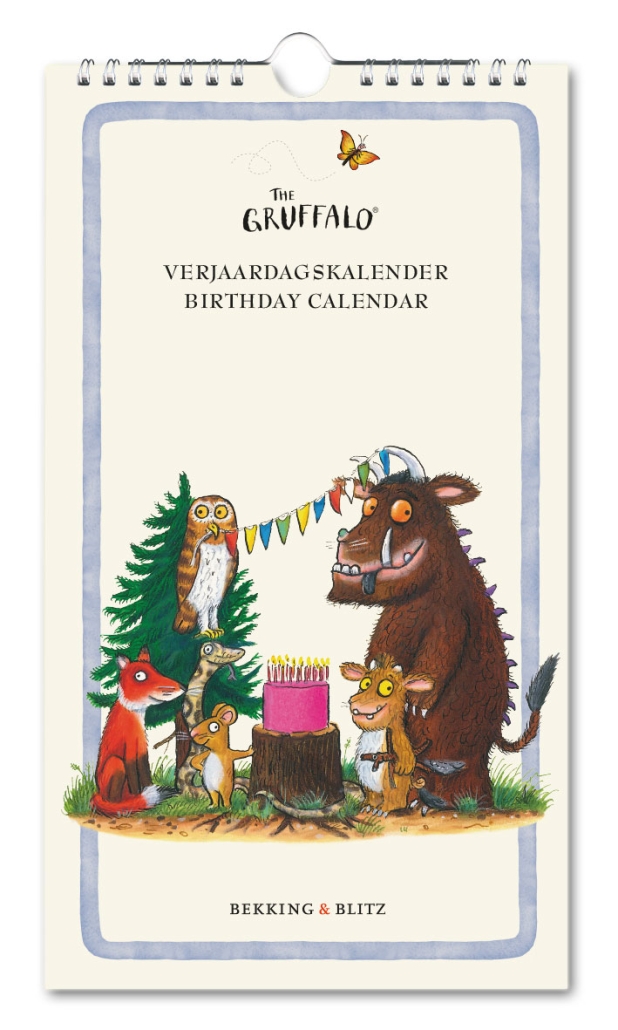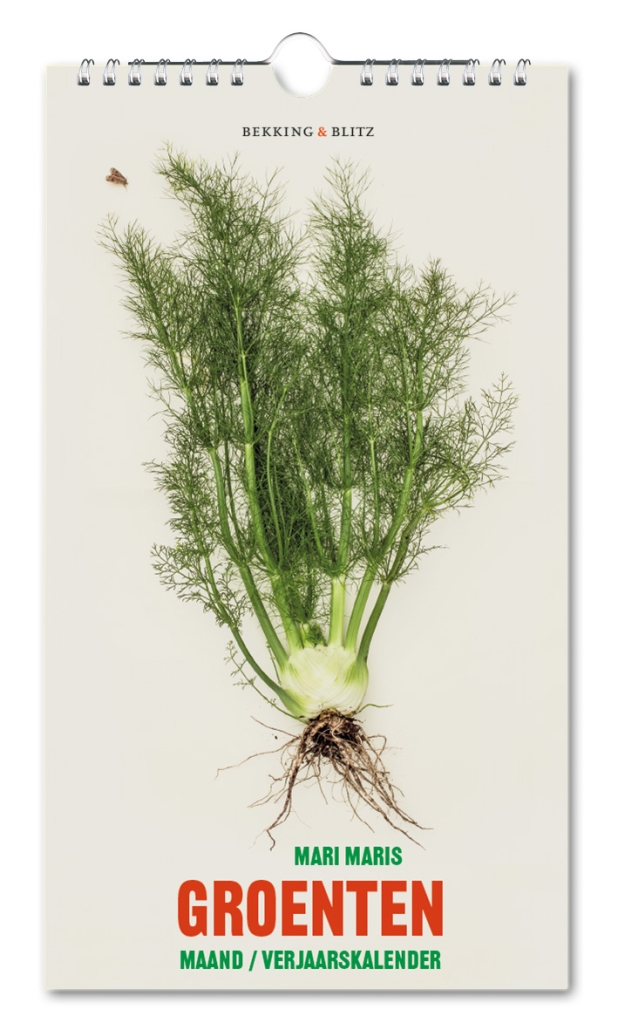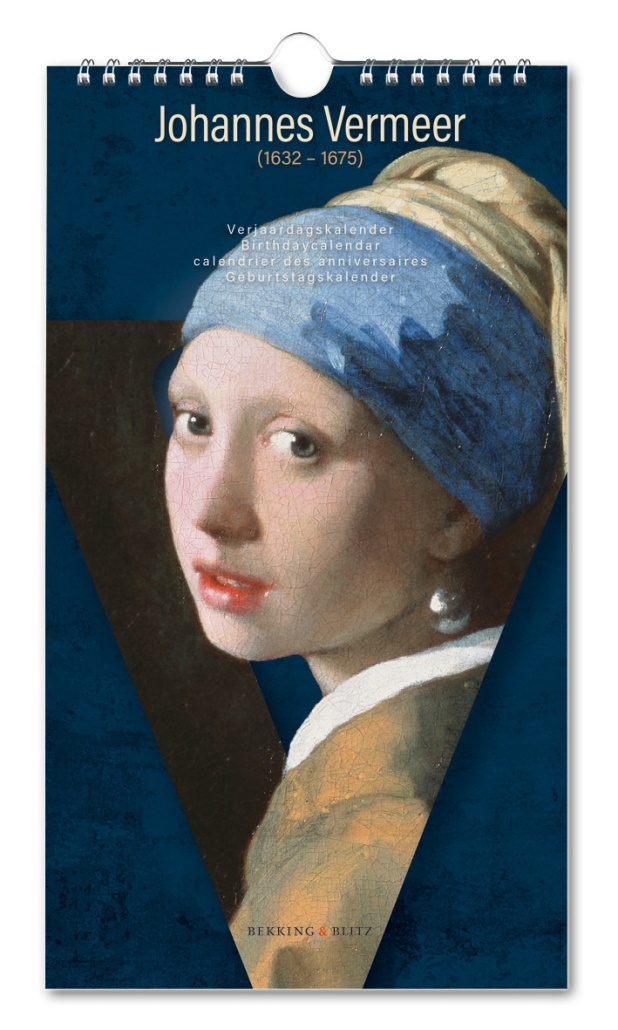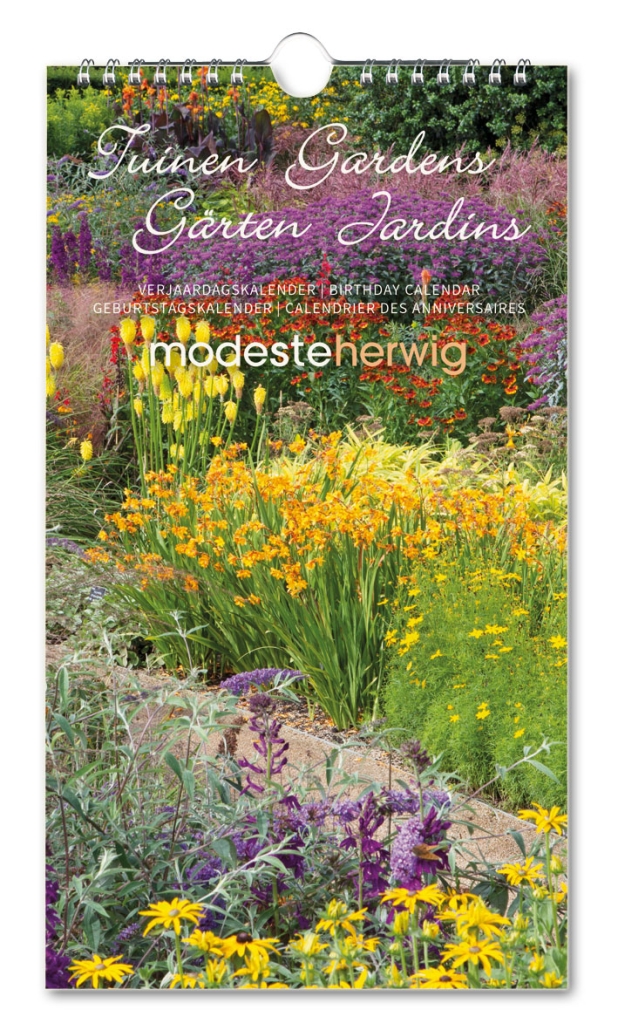
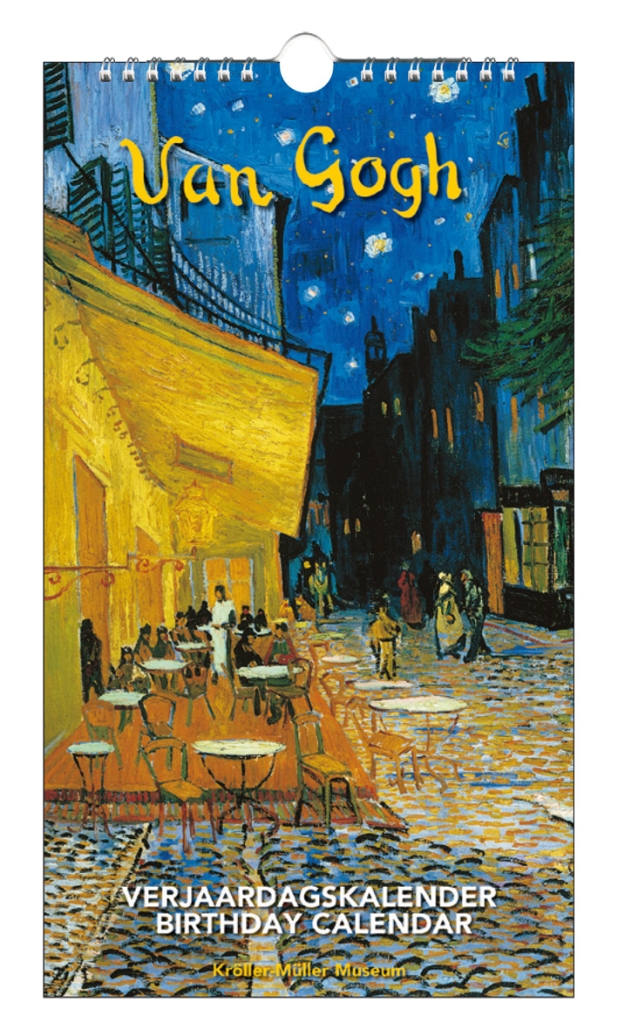
Birthday calendar: Van Gogh, Kroller Muller Museum
SKU: BC068
195 in stock
- Free shipping within the Netherlands from €29,-
- The most beautiful art products in collaboration with museums
- Eco-friendly products
- Easy payment with iDeal, Mr Cash or credit card
- Art lovers rate us 9.2
About the product:
Never forget a birthday or any other memorable moment again with our artistic birthday calendar. Each month features a different illustration. Easily hang the calendar on the wall with the convenient hanging eyelet.
- 17 x 30 cm
- Wall model with hanging eyelet
- 12 pages, each representing its own month
- A unique image for every month
- 100 gsm wood-free, off-white paper
- 162 grams
**ABOUT THE ARTIST, VINCENT VAN GOGH:**
Vincent van Gogh was born in 1853 in the Brabant village of Zundert. At a young age, he traveled extensively through the Netherlands and Europe. After numerous jobs and a failed study, Van Gogh ultimately chose to pursue a life as an artist. He took painting lessons and drew a lot. In 1885, he made the famous painting The Potato Eaters in Nuenen.
The following year, he moved to Paris, where his brother Theo worked as an art dealer and introduced him to paintings and drawings by French impressionists.
This inspired him to start experimenting: his work became more colorful, and he began painting with the short brushstrokes for which he later became famous.
In 1888, Van Gogh rented a studio in southern France: the Yellow House in Arles, made famous by his painting of it. He often painted landscapes and, because he couldn't afford a model, many self-portraits.
Van Gogh's life was marked by unrest, heartbreak, and financial troubles. He often clashed with his artist friends. When fellow artist Paul Gauguin was with him, a conflict escalated to the point that Van Gogh threatened him with a razor. Not long after, Van Gogh accidentally or intentionally cut off a part of his own left ear.
Van Gogh increasingly suffered from psychological problems. He voluntarily admitted himself to a psychiatric institution for a time, where he created famous paintings of cypresses and the starry night. On July 27, 1890, he walked into a wheat field and shot himself in the chest. He died two days later.
He only started to become well-known after his death. On one hand, this was because of his paintings, which are powerful, colorful, and distinctive. On the other hand, his life story attracted much interest: he is the archetype of the equally brilliant and lonely artist. Moreover, many later painters were inspired by his work.